Induced Pluripotent Stem Cells (iPSC cells) are revolutionizing regenerative medicine and research. According to recent industry reports, the global iPSC market is expected to reach $8.5 billion by 2025. This rapid growth underscores the potential of iPSC cells in cellular therapies and drug discovery.
Dr. Emily Chen, a leading expert in stem cell research, once stated, "IPSC cells represent a transformative technology in the fight against various diseases." Indeed, iPSC cells offer a unique ability to generate any cell type, paving the way for advancements in personalized medicine. Researchers can obtain these cells from adult tissues, minimizing ethical concerns associated with embryonic stem cells.
Despite their promise, challenges remain. The process of reprogramming somatic cells can be inefficient. Ensuring the safety and efficacy of iPSC-derived therapies demands further research. As the field evolves, more awareness of the limitations and potential risks of iPSC cells is essential to harness their full capabilities while fostering realistic expectations in the medical community.
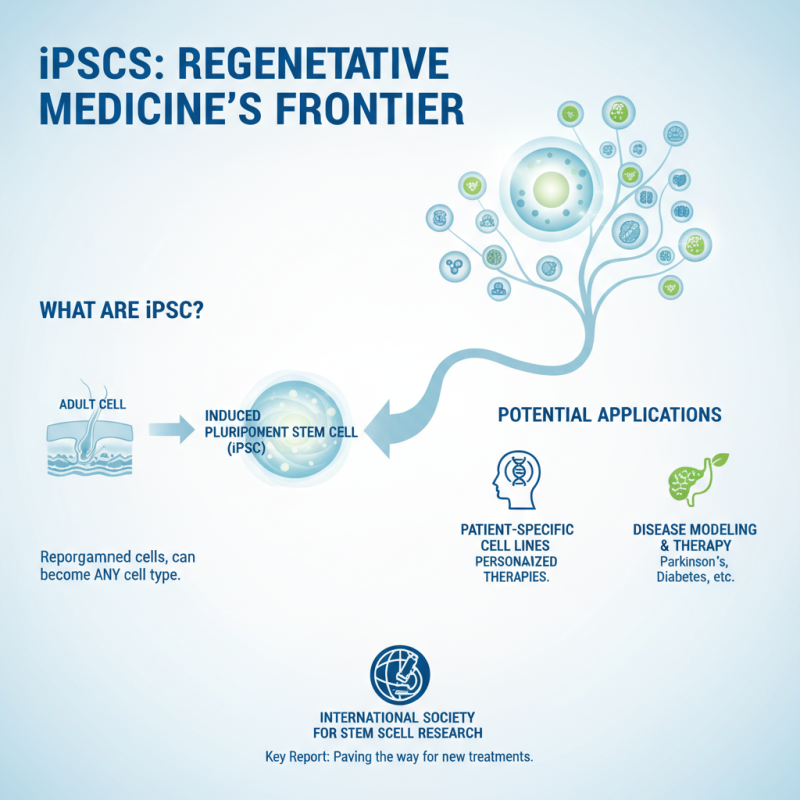
Induced pluripotent stem cells (iPSCs) have transformed regenerative medicine and research. They can differentiate into any cell type, offering immense potential for treating diseases. A recent report from the International Society for Stem Cell Research highlights that iPSCs can create patient-specific cell lines for personalized therapies. This possibility allows better treatment options for conditions like Parkinson's and diabetes.
Despite their promise, challenges remain. The process of reprogramming somatic cells into iPSCs can be inefficient. Estimates show that only about 1% of cells successfully become pluripotent. Additionally, concerns over the potential for tumorigenicity must be addressed. Researchers face a delicate balance between harnessing power and ensuring safety.
As iPSCs are further studied, their therapeutic applications expand. Current research explores their role in drug testing, disease modeling, and even organ regeneration. The complexity of cellular behavior underlines the need for rigorous evaluation. The journey of iPSCs in medicine is ongoing, prompting both excitement and scrutiny.
Induced pluripotent stem cells (iPSCs) offer remarkable regenerative potential in medicine. Their ability to differentiate into any cell type is groundbreaking. This technology paves the way for repairing damaged tissues, which can be crucial for diseases like heart failure or neurodegenerative disorders. iPSCs can be derived from a patient’s own cells, minimizing rejection risks. This personalized approach enhances the success rate of regenerative therapies.
Tips: Consider the ethical implications of using stem cells. Understand the long journey from lab to clinical application. Sometimes results might not meet expectations.
The versatility of iPSCs is impressive. They can transform into neurons, cardiomyocytes, and more. However, challenges remain in controlling their differentiation. Not all iPSCs behave predictably. Some might grow uncontrollably, leading to tumors. Continuous research is essential to refine protocols to ensure safety and efficacy in treatments.
Tips: Regularly review the latest findings in iPSC research. Stay open to new strategies and methodologies. Reflect on how science evolves with new discoveries. Embrace the journey of progress in regenerative medicine.
| Benefit | Description |
|---|---|
| Pluripotency | iPSCs can differentiate into any cell type, allowing for versatile applications in regenerative medicine. |
| Patient-Specific Therapy | iPSCs can be derived from patients' own cells, reducing the risk of rejection and immune response. |
| Research Model | iPSCs provide a relevant in vitro model for studying diseases and drug responses. |
| Disease Modeling | iPSCs can be used to replicate genetic disorders in the lab for study and treatment development. |
| Scale-up Production | iPSCs can be cultured in large quantities, making them suitable for therapeutic applications. |
| Ethical Advantages | Use of iPSCs bypasses ethical concerns associated with embryonic stem cells. |
| Cell Replacement | Utilization in stem cell therapy for tissue repair and regeneration in various organs. |
| Drug Development | iPSCs assist in high-throughput drug screening and toxicology studies. |
| Genetic Editing | Facilitates studies in gene therapy by allowing for precise genetic modifications. |
| Regenerative Applications | Potential in treating injuries and degenerative diseases through tissue engineering. |
Induced pluripotent stem cells (iPSCs) are revolutionizing regenerative medicine and research. Their greatest advantage lies in their ability to self-renew and differentiate. Unlike embryonic stem cells, iPSCs are derived from adult tissues, making them more ethically acceptable.
A unique feature of iPSCs is their versatility. Researchers can generate them from various cell types. This adaptability is crucial for disease modeling and drug testing. iPSCs provide opportunities to study specific diseases in patient-derived cells. However, the process can be complex. Some iPSCs may show variations in behavior, leading to inconsistent results.
**Tip:** When working with iPSCs, standardize your protocols. This can help minimize variability and improve reproducibility in experiments.
Another major benefit of iPSCs is their compatibility with gene-editing techniques. Scientists can easily modify these cells to investigate genetic diseases. However, the long-term effects of genetic changes in iPSCs need careful consideration. While they may offer immediate insight, unknown consequences can arise.
**Tip:** Regularly review the literature for the latest findings on iPSC behavior. Staying updated can inform your research practices and improve outcomes.
In summary, iPSCs open new avenues in regenerative medicine. They have unique advantages over other stem cell types. However, researchers must remain cautious. Awareness of potential pitfalls is essential for progress.
Induced pluripotent stem cells (iPSCs) have revolutionized disease modeling and drug discovery. These cells can replicate specific disease traits in the lab. This makes them invaluable for studying complex conditions. Researchers can generate patient-specific iPSCs from skin cells or blood. This approach provides models that closely mimic actual diseases.
Tips: Ensure proper storage of iPSCs. Contamination can lead to unreliable results, affecting your entire study. Monitor growth conditions carefully.
Drug discovery also benefits significantly from iPSCs. Potential treatments can be tested on cells that resemble the patient's condition. This accelerates the understanding of drug effects and side effects. However, the process is not without challenges. There's a risk of genetic abnormalities during reprogramming. These can impact the reliability of the drug response.
Tips: Keep detailed records of your iPSC line's genetic integrity. Regular assessments can catch potential issues early on. Focus on reproducibility to build a strong foundation for your research.
The field of regenerative medicine is expanding rapidly. Induced pluripotent stem cells (iPSCs) offer exciting potential. However, ethical considerations are paramount. These cells can be derived from adult tissues, which raises fewer ethical concerns compared to embryonic stem cells. Still, researchers must tread carefully.
One essential aspect is informed consent. Researchers should ensure that donors understand how their cells will be used. Transparency builds trust. It is critical to respect the rights of all participants. Each study must address ethical implications well. Ethical review boards play a crucial role in this process.
Tips: Always communicate clearly with donors about potential risks and benefits. Regularly revisit ethical standards as technology evolves. Conducting ongoing education for researchers promotes ethical integrity.
Another issue is the risk of tumor formation from iPSCs. This challenge requires thorough research and monitoring. Scientists must remain vigilant about the long-term effects. Careful consideration is needed when moving towards clinical applications. Staying aware of these dilemmas helps foster responsible research practices that benefit society.