Why Are IPSC Cells Important for Regenerative Medicine and Research?

Induced pluripotent stem cells, or iPSC cells, hold remarkable promise in regenerative medicine and research. These versatile cells can differentiate into various cell types, paving the way for innovative treatments. Dr. Shinya Yamanaka, a pioneer in stem cell research, once noted, "iPS cells have the potential to change the future of medicine.” His insights emphasize the importance of iPSC cells in advancing our understanding of human biology.

The ability of iPSC cells to regenerate damaged tissues presents new hope for conditions like Alzheimer’s and Parkinson's. With ongoing research, scientists are exploring how to effectively harness these cells. However, challenges remain in ensuring the safety and reliability of treatments derived from iPSCs. Ethical considerations also pose significant hurdles that need addressing.

As the field evolves, continuous dialogue among researchers is vital. While iPSC cells may revolutionize medicine, we must reflect on the risks involved. Balancing innovation and safety will determine their future applications. There is a clear need for rigorous testing and transparent communication to foster public trust in iPSC technology.
Why Are IPSC Cells Important for Regenerative Medicine and Research?

The Definition and Characteristics of IPSC Cells

Induced pluripotent stem cells (iPSCs) have garnered significant attention in regenerative medicine. These cells are created by reprogramming adult cells to revert them to a pluripotent state. This means they can differentiate into almost any cell type in the body. Their unique properties make them invaluable for disease modeling, drug testing, and potential therapies. According to a 2022 report from the International Society for Stem Cell Research, over 50% of stem cell research now focuses on iPSCs.

iPSCs are also important because they provide an ethical alternative to embryonic stem cells. They can be derived from skin or blood samples, making them more accessible. However, concerns remain regarding their stability and potential for unwanted tumor formation. Researchers are continuously addressing these challenges to enhance their safety for clinical applications. A study by the National Institutes of Health highlighted that nearly 20% of iPSC-derived therapies faced difficulties in translation to clinical settings.

Tips: When working with iPSCs, pay attention to their culture conditions. Contamination can easily skew results. Moreover, ensuring a stable genetic profile is crucial in research. Always analyze differentiation capabilities thoroughly. Though promising, iPSCs still need more optimization to reach their full potential in therapies.
The Role of IPSC Cells in Tissue Regeneration

iPSC cells, or induced pluripotent stem cells, play a transformative role in tissue regeneration. They can develop into various cell types, such as muscle, nerve, and blood cells. This capability presents a remarkable opportunity for researchers and clinicians. Imagine a world where damaged tissues can be repaired using a patient's own cells. This possibility makes iPSC a vital tool for regenerative medicine.

Many researchers are exploring how iPSC cells can repair damaged organs. For instance, in heart disease, these cells can differentiate into cardiomyocytes. This can potentially restore heart function. However, challenges remain. One concern is the risk of tumor formation. Another issue is the efficiency of cell differentiation. Researchers are still figuring out the best protocols for using iPSC cells effectively.

Despite the hurdles, the potential is vast. The journey of understanding iPSC cells is ongoing and complex. Each study uncovers new insights but also raises more questions. It is essential to approach this field with both excitement and caution. Embracing the imperfections in our understanding will guide future research and clinical applications.

Applications of IPSC Cells in Disease Modeling

Why Are IPSC Cells Important for Regenerative Medicine and Research?

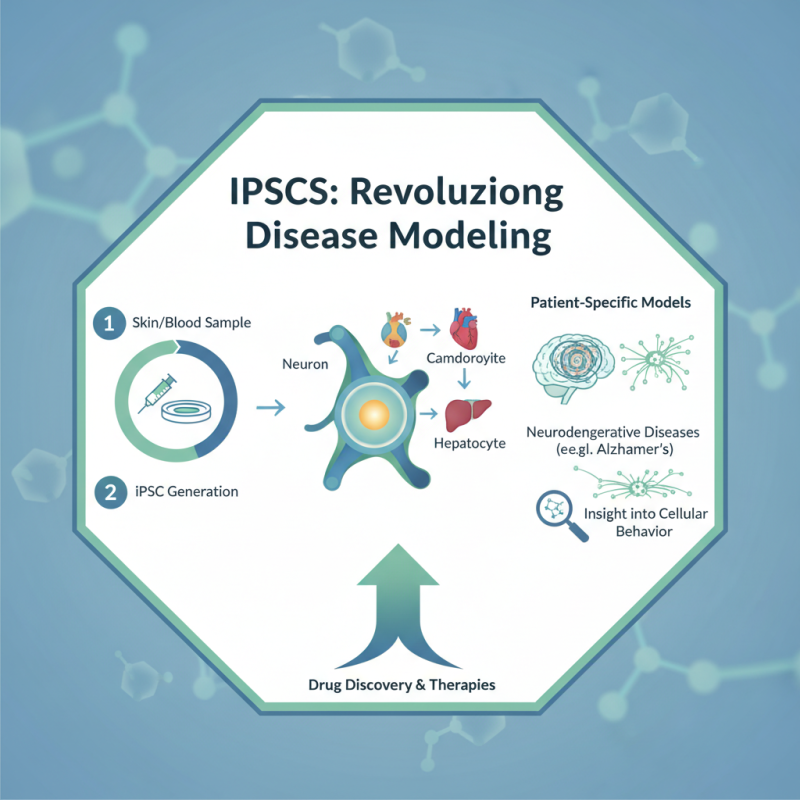
Induced pluripotent stem cells (iPSCs) have transformed disease modeling in biomedical research. They can become any cell type. This flexibility is vital for studying complex diseases. Scientists can create patient-specific cells from skin or blood samples. This personalized approach allows researchers to observe disease processes firsthand. For example, iPSCs have been used to model neurodegenerative diseases like Alzheimer's. The results have provided insights into cellular behavior.

However, challenges remain in using iPSCs for disease modeling. Variability between cell lines can affect reproducibility. Sometimes, cultured cells behave differently than they do in the body. This discrepancy raises questions about the accuracy of findings. Researchers must continuously refine their techniques to ensure meaningful results. There’s still much to learn about how to best harness the potential of iPSCs. Tackling these issues may lead to better treatments and understanding of diseases.

Ethical Considerations Surrounding IPSC Research

iPSC (induced pluripotent stem cell) research opens new doors for regenerative medicine. However, it raises significant ethical considerations. Scientists can create iPSCs from adult cells, allowing for patient-specific therapies. Yet, the process of reprogramming these cells calls for careful ethical scrutiny.

Concerns arise over consent. Donors must fully understand the implications of providing their cells. Additionally, the potential for misuse looms large. Researchers need frameworks to ensure transparency in how these cells are handled. This situation underscores the importance of ethical guidelines in scientific research, as highlighted by the International Society for Stem Cell Research.

Tips: Always advocate for clear consent processes. Engage in open dialogues about the ethical implications of research. Ethical considerations evolve with scientific advancements, so stay informed.

Some argue that the promise of iPSCs may justify ethical shortcuts. This view can lead to ethical dilemmas in research settings. A delicate balance is essential to foster trust in scientific progress. Moreover, the need for oversight cannot be ignored. Researchers might face pressure to achieve results quickly, which could compromise ethical standards.

Importance of IPSC Cells in Regenerative Medicine

This chart illustrates the key aspects related to the importance of IPSC cells in regenerative medicine. Significant therapeutic applications and research advancements indicate the high impact of IPSC research, while ethical awareness and public interest both play crucial roles in driving research initiatives and funding in this field.

Future Directions for IPSC Cells in Regenerative Medicine

Induced pluripotent stem cells (iPSCs) are revolutionizing regenerative medicine. They offer unique opportunities for disease modeling and cell replacement therapies. Research shows that iPSCs can differentiate into virtually any cell type. This flexibility makes them crucial for understanding diseases and developing treatments.

Looking to the future, iPSCs hold immense potential. Clinical trials are underway, exploring their use in treating spinal cord injuries and heart diseases. A recent report highlighted that iPSC-based therapies could generate over $20 billion in revenue by 2025. Yet, challenges remain. Ensuring the safety and efficacy of these therapies is crucial. Researchers must address potential tumorigenesis and immune rejection issues.

Moreover, ethical considerations are vital in iPSC research. The sourcing of cells must comply with strict regulations. As we move forward, balancing innovation with ethical practices will determine the success of iPSC applications. The path is promising but requires careful navigation.

Search engine powered by ElasticSuite