China Top 10 Blood Component Separator Manufacturers?

China’s blood-processing industry has expanded from equipment assembly to sophisticated systems for collection, separation, storage, and quality control. This guide examines China’s Top 10 Blood Component Separator Manufacturers through a practical, evidence-based lens. The focus is not simply on factory size or export claims. It considers product design, manufacturing experience, technical support, and documented compliance.

A reliable Blood Component Separator should deliver stable separation between red cells, plasma, and platelets. Small details matter. Tubing connections must fit securely. Sensors should respond consistently during long processing cycles. Operators also need clear displays, simple cleaning procedures, and dependable alarms. This review therefore considers centrifuge compatibility, automation, consumable integration, validation support, and after-sales service. Public certifications, product brochures, installation records, and customer feedback can provide useful evidence. However, these sources do not always tell the complete story.

The ranking should be viewed as a research starting point, not an absolute verdict. Manufacturer capabilities may differ between models, regions, and production batches. Some companies publish detailed technical data, while others provide limited information. That difference deserves attention. Buyers should verify current certificates, factory audits, warranty terms, and local regulatory requirements before making a decision. Clinical workflows also vary, so the most expensive system may not be the most suitable one. In practice, performance is measured beside a busy blood bank bench, under pressure, with real staff and real time constraints. This article aims to clarify those choices while acknowledging where available evidence remains incomplete.
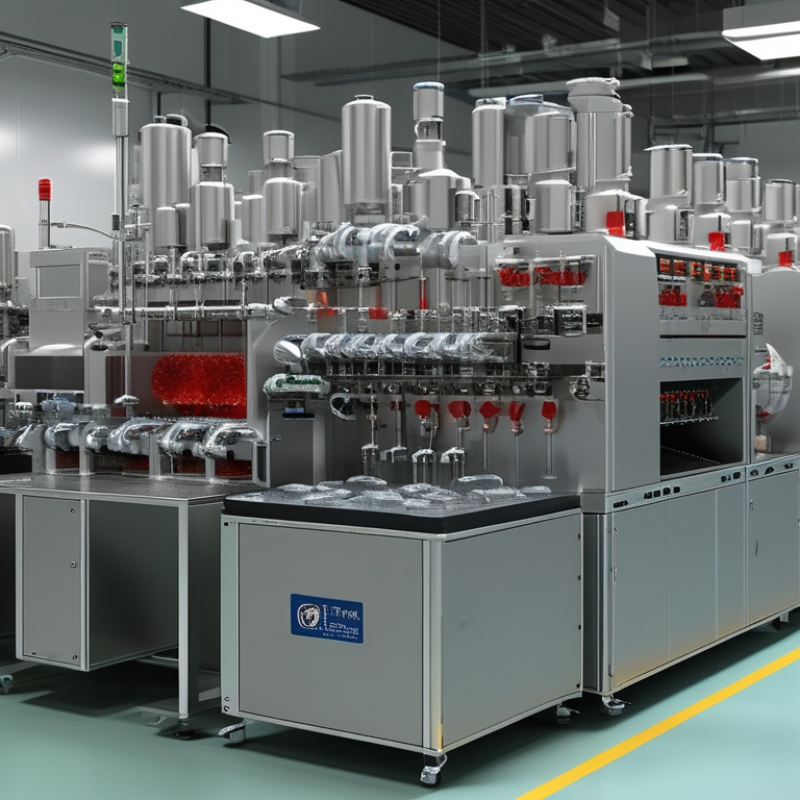
China Top 10 Blood Component Separator Manufacturers?

What Blood Component Separators Are and Why They Matter

China Top 10 Blood Component Separator Manufacturers?

Blood component separators divide donated whole blood into red cells, plasma, platelets, and sometimes cryoprecipitate. The process usually combines controlled centrifugation, sealed tubing, calibrated pressure, and careful temperature management. Small errors can affect component quality.

This matters because one donation may support several patients. The WHO Global Status Report on Blood Safety and Availability 2021 recorded about 118.5 million blood donations worldwide, based on 2018 data. However, high-income countries collected nearly 40% of donations, despite representing a much smaller share of the global population. Efficient separation can reduce waste, but equipment alone cannot solve unequal supply.

In practice, operators watch the interface between plasma and red cells, inspect tubing for leaks, and verify component volume before storage. The WHO recommends quality systems covering collection, processing, testing, and distribution. AABB technical guidance also emphasizes validated procedures and traceable records. These requirements make separator reliability more than a purchasing issue.

No separator fits every laboratory. Some facilities need high throughput; others prioritize flexible batch sizes, low noise, or simple maintenance. Automation can improve consistency, yet it may hide poor training or weak quality control. That is an uncomfortable point. Manufacturer comparisons should therefore examine validation evidence, service response, cleaning procedures, and real operating data—not only advertised capacity.

China Top 10 Blood Component Separator Manufacturers? What Blood Component Separators Are and Why They Matter

Blood component separators use centrifugation and controlled processing to divide donated whole blood into clinically useful components. The chart shows commonly used maximum storage periods for separated components under standard blood-bank conditions; exact limits vary by local regulations, collection systems, and storage solutions.

Typical reference values: red blood cells up to 42 days, platelets 5 days, frozen plasma 365 days, and cryoprecipitate 365 days.

How China’s Blood Component Separator Market Is Evaluated

China’s top 10 blood component separator manufacturers should be evaluated through evidence, not visibility alone. A strong assessment begins with real laboratory performance. Review separation accuracy, platelet recovery, plasma clarity, and red-cell yield under routine workloads. Consistency matters most.

A reliable manufacturer should provide traceable quality records and clear technical documentation. Check manufacturing controls, material specifications, sterilization methods, and batch-release procedures. Independent testing can support these claims. Regulatory registration is also important, but certificates alone cannot prove practical suitability. Ask for validation data from comparable blood centers. Examine whether the equipment supports closed processing, easy cleaning, operator safety, and stable temperature control.

Service quality often reveals the real difference. Study installation training, response times, spare-part access, software updates, and preventive maintenance. Total cost includes consumables, downtime, calibration, and staff training. A lower purchase price may become expensive after repeated interruptions. I would also examine user feedback carefully. One successful site is not enough evidence. Market rankings can be useful, yet they may reflect advertising, limited samples, or outdated information. That is a weakness worth admitting.

Technical buyers should compare manufacturers using the same scoring framework. Weight product reliability, clinical evidence, compliance, service capacity, and long-term operating cost. Record the source of every claim. If data cannot be verified, mark it as uncertain rather than rewarding confident language. This approach makes a top-ten list more transparent, practical, and defensible for hospitals and blood-processing laboratories.

China Top 10 Blood Component Separator Manufacturers? - How China’s Blood Component Separator Market Is Evaluated
Rank Evaluation Dimension Weight What Is Evaluated Preferred Evidence Scoring Standard
1 Regulatory Compliance 18% Validity and scope of medical-device registrations for blood component separators in China and target export markets. Applicable NMPA registration, ISO 13485 certificate, EU MDR documentation where applicable, and market-specific regulatory records. 0–5 points
2 Separation Performance 15% Consistency of plasma, platelet, red-cell, or buffy-coat separation under defined operating conditions. Validated test reports, acceptance criteria, repeatability data, and customer-site verification records. 0–5 points
3 Processing Capacity 12% Supported bag formats, processing cycle time, daily workload, and compatibility with manual or automated workflows. Technical datasheets, operating manuals, factory acceptance tests, and documented throughput under specified conditions. 0–5 points
4 Product Portfolio Coverage 10% Availability of equipment for whole-blood separation, component extraction, tube sealing, weighing, mixing, and data capture. Current product catalogue, compatibility matrix, configuration options, and product lifecycle information. 0–5 points
5 Quality Management 10% Control of design, manufacturing, supplier qualification, nonconformities, corrective actions, and traceability. ISO 13485 records, audit results, quality agreements, batch traceability, and documented CAPA procedures. 0–5 points
6 Automation and Data Integration 9% Barcode or RFID support, electronic records, alarm management, software functions, and integration with blood-bank information systems. Interface specifications, cybersecurity documentation, software validation records, and interoperability test results. 0–5 points
7 Consumables Compatibility 8% Compatibility with commonly used blood bags, tubing sizes, filters, collection sets, and sterile single-use components. Compatibility list, validation protocols, material information, and documented performance with third-party consumables. 0–5 points
8 After-Sales Service 7% Installation, operator training, preventive maintenance, spare-parts availability, calibration, and response procedures. Service-level agreement, training records, maintenance schedule, spare-parts list, and technical-support coverage. 0–5 points
9 Manufacturing and Delivery Capability 6% Production capacity, lead-time control, export documentation, packaging, installation planning, and supply continuity. Factory audit, production schedule, delivery records, packaging validation, and business-continuity plan. 0–5 points
10 Total Cost of Ownership 5% Purchase price, installation, training, maintenance, calibration, consumables, energy use, and expected service life. Five-year ownership model, warranty terms, service quotations, consumables pricing, and energy specifications. 0–5 points
Scoring method: Each dimension is scored from 0 to 5 using documented evidence. The weighted total is calculated as Σ (dimension score ÷ 5 × weight), producing a maximum evaluation score of 100 points. The framework compares manufacturers without publishing company names, brands, or unverified company-specific performance data.

Profiles of China’s Top 10 Blood Component Separator Manufacturers

Profiles of China’s Top 10 Blood Component Separator Manufacturers

China’s top ten blood component separator manufacturers differ in scale, engineering depth, and validation practice. Their equipment commonly supports centrifugation, plasma extraction, component pressing, and closed-bag handling. These details matter beside a busy blood-bank workbench.

The World Health Organization reported 118.5 million blood donations worldwide in 2021. It also noted that high-income countries collected a disproportionate share of donations. This imbalance increases demand for reliable separation systems in expanding healthcare markets. Industry analyses from Grand View Research and MarketsandMarkets indicate continued growth in blood-processing equipment, driven by component therapy, automation, and stricter quality control.

A practical profile should examine more than production volume. Key indicators include separation consistency, temperature monitoring, rotor safety, software traceability, service response, and compatibility with standard blood bags. Several Chinese manufacturers show strong metal fabrication and competitive customization. Some also provide testing support for hospitals and regional blood centers. However, public technical documentation is not always equally detailed. That is a weakness worth acknowledging.

Procurement teams should request repeatability data, maintenance records, and user references from comparable facilities. A separator may appear efficient during a short demonstration, yet behave differently after thousands of cycles. The best profiles therefore combine factory capability with field evidence, documented quality systems, and transparent after-sales support. WHO guidance remains useful, but local validation is still essential. No brochure replaces measured performance.

Comparing Technology, Compliance, Capacity, and Service

China Top 10 Blood Component Separator Manufacturers

China’s blood component separator market should be judged beyond catalog specifications. The WHO Global Status Report on Blood Safety and Availability 2021 recorded about 118.5 million blood donations worldwide. Around 40% came from high-income countries, which represented only 16% of the global population. This gap increases demand for dependable, scalable separation equipment.

Technology matters at the collection bench. Buyers should examine separation accuracy, sensor stability, programmable pressure, and compatibility with standard blood bags. A clear touchscreen helps, but intuitive alarms matter more during a busy shift. Automated data logging can support traceability and reduce manual transcription. Sometimes, “high throughput” figures look impressive. They may exclude cleaning, calibration, or operator changeover time.

Compliance requires evidence, not attractive certificates. Manufacturers should provide ISO 13485 quality-system records, risk-management files, electrical-safety testing, and validation data for critical functions. Local registration requirements also need checking before procurement. AABB technical standards can guide blood-bank process expectations, although they do not replace national regulations. Capacity should include tested annual output, spare-part availability, technician coverage, and training response times. Service is often the weak point. A separator may perform well for six months, then wait weeks for a small sensor. No scorecard is perfect. Audits, factory acceptance testing, sample workflows, and conversations with operating laboratories reveal more than brochures.

How to Select a Chinese Blood Component Separator Manufacturer

How to Select a Chinese Blood Component Separator Manufacturer

Choosing among China’s top blood component separator manufacturers requires more than comparing prices or production photos. Start with the intended workflow: collection volume, separation speed, component types, and daily operating hours. A reliable manufacturer should explain how its centrifuge balance, sealing system, temperature control, and disposable-contact materials support consistent results. Ask for technical drawings and validation records.

Look closely at the quality system. Verify current certifications, factory inspection records, calibration procedures, and batch traceability through independent documentation. Request sample test reports using defined parameters, such as platelet recovery, plasma clarity, and red-cell carryover. Do not accept vague claims. A technical meeting with engineers can reveal whether the supplier understands blood-processing risks or simply repeats sales language.

Service matters.

Check installation training, maintenance intervals, spare-part availability, and response times before signing any agreement. Ask to speak with comparable users, while protecting confidential information. A factory audit should include incoming-material checks, assembly areas, final testing, and complaint handling. I would also compare pilot samples under realistic workload conditions, not only laboratory demonstrations. No checklist is flawless. I have seen promising specifications overlook operator errors, cleaning time, or regional power differences. A careful buyer should record these gaps and ask for corrective evidence. The best decision may not be the lowest quotation; it is the supplier that documents limitations clearly and improves them openly.

Search engine powered by ElasticSuite