Stem cell research has emerged as a revolutionary field in medicine. The innovations arising from this research hold the potential to transform therapies for various diseases. Scientists are uncovering ways to use stem cells to regenerate damaged tissues and treat chronic conditions. Many breakthroughs have shown promising results, yet challenges remain.
Recent advancements include the development of induced pluripotent stem cells (iPSCs). These cells can differentiate into any cell type, thus providing endless possibilities for treatment. Moreover, researchers are exploring the use of stem cells in personalized medicine. This could lead to tailored treatments based on individual genetic profiles. However, ethical concerns and funding gaps continue to pose barriers to progress.
As we navigate the complexities of stem cell research, maintaining a cautious approach is vital. While the potential is immense, the implications of these innovations require thorough evaluation. Continued discourse and regulation will help guide this evolving field responsibly. In doing so, we can harness the power of stem cells to improve healthcare outcomes while addressing the ethical responsibilities involved.
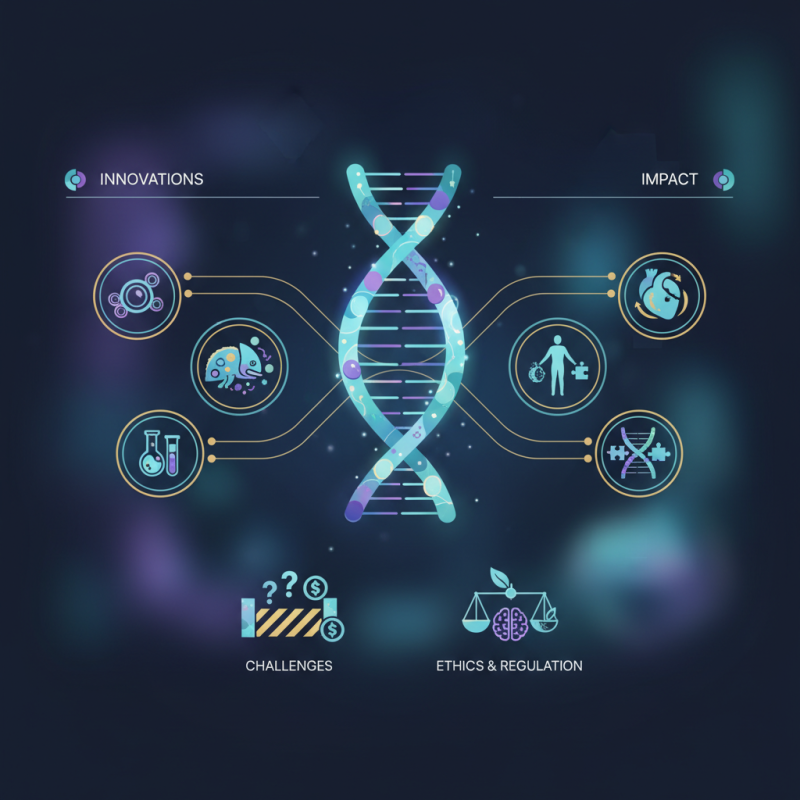
Stem cell research is a dynamic field with transformative potential in medicine. According to a 2022 report from the International Society for Stem Cell Research (ISSCR), nearly 400 clinical trials currently focus on stem cell therapies. This highlights the urgency and significance of this research in tackling various diseases. Such therapies range from treating blood disorders to repairing damaged tissues.
The importance of stem cell research is underscored by its application in regenerative medicine. The ability to generate new cells offers hope for patients with conditions like Parkinson's and spinal cord injuries. A study published in "Nature" reported that stem cell-derived therapies could reduce recovery time significantly. However, the field faces challenges. Ethical concerns and technical limitations often hinder progress. Researchers grapple with ensuring the safety and efficacy of treatments.
Innovations in stem cell technology continue to emerge. For example, advancements in induced pluripotent stem cells (iPSCs) allow for patient-specific therapies, enhancing compatibility and reducing rejection. Yet, scalability remains a concern, as production methods may not meet clinical demand uniformly. Despite these hurdles, the promise of stem cell research persists, highlighting a complex but vital journey towards medical breakthroughs.
Stem cell research has made remarkable strides in recent years, unveiling innovations that could transform medicine. One key area is induced pluripotent stem cells (iPSCs). Scientists reprogram adult cells to revert to an embryonic state. This method provides a plentiful source of stem cells without ethical concerns. The mechanism involves the introduction of specific genes that activate pluripotency. This approach has vast implications for regenerative medicine.
Another significant innovation is the development of 3D bioprinting technology. This method enables researchers to create complex tissue structures using stem cells. The precision of 3D printing allows for the production of tissues that mimic natural organs. However, challenges remain, such as ensuring vascularization in these tissues. Overcoming this hurdle is essential for successful transplantation.
Organoid technology also stands out in stem cell research. Scientists grow miniaturized organs from stem cells, which helps study diseases in a lab setting. These organoids replicate key features of real organs. However, replicating the diverse cellular environment remains a challenge. Continuous efforts are necessary to improve the functionality of these models. The research landscape is evolving, revealing both potential and ongoing obstacles.
This bar chart illustrates the number of research publications in various key innovations in stem cell technology over the past five years. It highlights the growing interest and advancements in areas such as induced pluripotent stem cells (iPSCs), mesenchymal stem cells (MSCs), and hematopoietic stem cells (HSCs).
Stem cell research is reshaping regenerative medicine. These cells have the unique ability to develop into different cell types. They can repair damaged tissues and organs. A report from the National Institutes of Health (NIH) indicates that stem cell therapies could potentially treat conditions like Parkinson's and diabetes. Yet, not all innovations lead to immediate solutions.
One significant application is in cardiac repair. Research shows that stem cells can regenerate heart muscle after a heart attack. According to a study in the Journal of the American College of Cardiology, about 30% of patients showed improved heart function after receiving stem cell treatment. However, the outcomes can vary widely, and some patients do not benefit at all. This raises questions about patient selection and the long-term effects.
Stem cells are also being explored for neurological disorders. For instance, trials are underway for using these cells to treat spinal cord injuries. Initial findings suggest potential improvements in mobility and sensation. Yet, challenges remain regarding ethical concerns and the quality of clinical evidence. Many treatments are still in experimental stages. It is crucial to approach these advancements with both hope and caution. The journey of stem cell research is complex and far from complete.
| Innovation | Description | Applications | Impact |
|---|---|---|---|
| Induced Pluripotent Stem Cells (iPSCs) | Reprogramming adult cells to a pluripotent state. | Disease modeling, drug testing, regenerative medicine. | Potential to create patient-specific therapies. |
| CRISPR Gene Editing | Precise editing of genes in stem cells. | Gene therapy, correction of genetic disorders. | Ability to fix genetic defects at the source. |
| 3D Bioprinting | Printing of tissues and organs using stem cells. | Organ transplants, tissue repair. | Reduces organ transplant wait times. |
| Exosome Therapy | Using exosomes derived from stem cells for healing. | Regenerative medicine, wound healing. | Enhances recovery processes in tissues. |
| Stem Cell Niche Engineering | Creating environments that support stem cell growth. | Tissue regeneration, cancer therapy improvements. | Improved stem cell viability and function. |
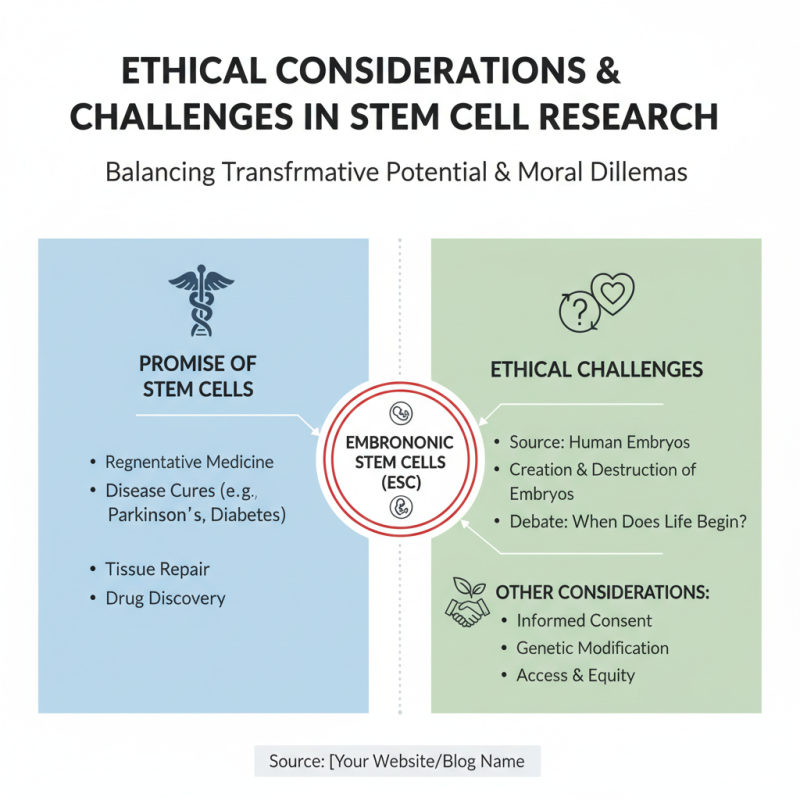
Stem cell research holds transformative potential for medicine. Yet, it comes with complex ethical considerations. The source of stem cells often raises controversies. Embryonic stem cells are derived from human embryos. This process leads to ethical dilemmas about life and consent. Society grapples with the moral implications surrounding the creation and destruction of embryos.
Additionally, there are concerns about access and equity. Not everyone may benefit from these innovations equally. Wealthier nations or individuals might dominate the landscape, leaving vulnerable populations behind. This disparity raises questions about justice in healthcare. There are also worries about misuse or over-promising results in research. Scientists must tread carefully. Transparency is essential in navigating these challenges.
Ethics should be at the forefront of scientific advancements. Ongoing dialogues are necessary to ensure responsible practices. Researchers and policymakers must engage with the public. This engagement fosters understanding and trust. Balancing innovation with ethical responsibility is key to progress in stem cell research.
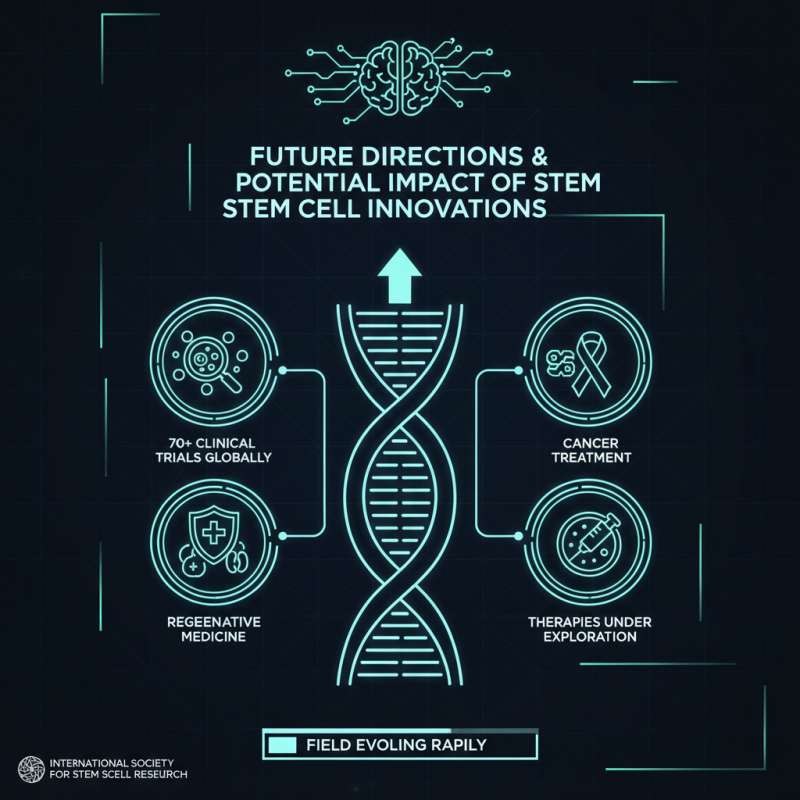
Innovations in stem cell research have the potential to transform medicine. For instance, a report from the International Society for Stem Cell Research highlights that over 70 clinical trials are currently exploring stem cell therapies worldwide. This demonstrates how rapidly the field is evolving. Researchers are investigating applications from regenerative medicine to cancer treatment, indicating a broad scope of impact.
Promising results have emerged from studies on induced pluripotent stem cells (iPSCs). These cells can regenerate damaged tissues. Imagine treating neurodegenerative disorders or heart diseases with a patient’s own cells. However, challenges remain. The risk of tumor formation with iPSCs raises safety concerns. Ongoing research must address these issues as we seek effective therapies.
Ethical considerations also complicate progress. Balancing scientific advancement with moral implications is crucial. Future innovations may require a more nuanced understanding of these dilemmas. Rigorous regulations could ensure responsible research, while public trust remains vital. The future of stem cell innovations looks promising, yet it demands careful navigation of ethical landscapes and safety concerns.