Top Benefits and Applications of Organoid Culture in Modern Research?
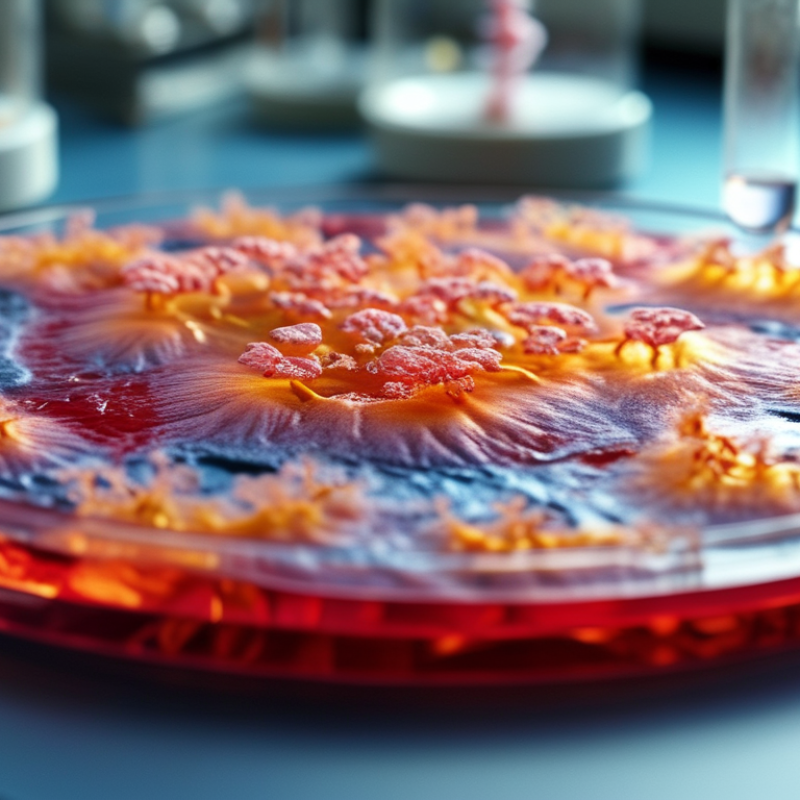
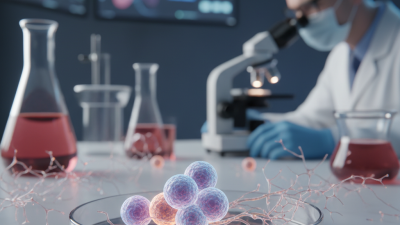
Organoid culture has emerged as a revolutionary method in modern biomedical research. This technique allows scientists to grow miniature, organ-like structures from human stem cells. These mini-organs mimic the complex architecture and functions of real tissues, providing unprecedented opportunities for studying disease mechanisms, drug responses, and developmental processes.
The applications of organoid culture span various fields, including cancer research, regenerative medicine, and personalized therapy. For instance, researchers can develop patient-specific organoids to test drug efficacy and toxicity. This tailor-made approach holds promise for advancing precision medicine. However, challenges remain. The reproducibility of organoid cultures can vary. Also, ethical considerations about stem cell sourcing persist. Nonetheless, the potential benefits of organoid models are significant. They may revolutionize our understanding of human biology.
As we explore the top benefits of organoid culture, it is essential to reflect on these challenges. The progress in this field highlights the need for ongoing innovation and ethical discussions. Only then can we maximize the advantages of this groundbreaking technology.
Overview of Organoid Culture Technology and Its Development
Organoid culture technology has advanced significantly in recent years, transforming our understanding of human biology. This approach allows researchers to create three-dimensional tissue models that closely mimic real organs. According to a recent industry report from Grand View Research, the global organoid culture market is expected to reach $1.25 billion by 2026, reflecting the growing interest in this innovative technology.
The development of organoid cultures stems from breakthroughs in stem cell research. Scientists can now generate organoids from pluripotent stem cells, leading to significant advancements in disease modeling and drug testing. For example, organoids derived from patient-specific cells provide powerful tools for personalized medicine. Despite these advancements, challenges remain in standardizing organoid models. Reproducibility can be an issue. Variability in culture conditions may affect results, leading to concerns about reliability.
Moreover, scaling up organoid production for large-scale studies presents logistical hurdles. Researchers are still exploring optimal methods for generating organoids efficiently. As the field evolves, addressing these challenges will be critical for translating organoid technology into routine clinical practice. The promise of organoid cultures is vast, yet the path to realization requires collaboration and ongoing refinement.
Key Benefits of Using Organoids in Biomedical Research
Organoids have transformed biomedical research. These miniaturized organs provide a unique platform for studying human development and disease. They model complex tissue structures and cellular interactions. This makes them invaluable for drug development and personalized medicine.
The use of organoids can enhance the understanding of disease mechanisms. Researchers can cultivate organoids from patient cells. This allows for the evaluation of individual responses to treatments. However, challenges remain. The growth conditions for organoids can be unpredictable and varied. Scientists must continually refine protocols to ensure reproducibility.
Tips: Always validate the consistency of your organoid cultures. Regularly assess their functional properties. Stay informed about the latest advancements in organoid technology. Incorporating these practices can improve the reliability of your findings. Organoids might not perfectly mimic in vivo conditions. Addressing these shortcomings is essential for better outcomes.
Applications of Organoids in Disease Modeling and Drug Discovery
Organoids have emerged as a revolutionary tool in modern research, particularly in disease modeling and drug discovery. These miniaturized, three-dimensional structures derived from stem cells closely mimic the architecture and function of real organs. This resemblance offers a more accurate platform for studying disease mechanisms. Scientists can observe how diseases progress in a controlled environment. For instance, cancer organoids allow researchers to examine tumor behavior and responses to therapy.
In drug discovery, organoids provide a more relevant model than traditional cell cultures. They permit the testing of new drugs' efficacy and safety in a realistic context. Notably, organoid technology can help identify potential side effects before clinical trials begin.
However, challenges remain. The variability between organoid models can lead to inconsistent results. Additionally, the complexity of the human body cannot be fully replicated. Despite these setbacks, the insights gained from organoids represent a significant advancement in understanding diseases and developing targeted therapies.
Organoid Culture in Personalized Medicine and Therapeutic Approaches
Organoid culture has transformed personalized medicine significantly. These miniaturized, three-dimensional cell cultures mimic real organs closely. They offer a platform for researchers to test drug responses more accurately. This advancement allows for tailored therapeutic approaches based on individual patient profiles.
In cancer research, for instance, organoids are particularly valuable. They can be derived from a patient’s tumor, providing insights into how that specific tumor behaves with various treatments. However, there's still much we don't know. How well do these organoids reflect the complexities of whole organs? The biological differences between patients add another layer of challenge.
Moreover, while organoids present many possibilities, their limitations must also be acknowledged. Not all organoids replicate the full range of physiological responses. Researchers must remain cautious when interpreting results. Continuous refinement in methods is vital for improving the reliability of organoid cultures in clinical applications.
Top Benefits and Applications of Organoid Culture in Modern Research
Challenges and Future Directions in Organoid Research and Applications
Organoid research is a promising field, but it is not without challenges. One significant hurdle is the reproducibility of results. Different labs can obtain varied outcomes from similar experiments, raising questions about consistency. This inconsistency complicates the validation of findings, making it harder to trust the data. Researchers must dedicate time and resources to ensure their methods are robust and reproducible.
Another challenge lies in the ethical considerations associated with organoid models. As organoids become more complex, questions arise regarding their similarity to real organs. Ethical guidelines are still evolving in this area, and researchers must navigate these murky waters carefully. Creating clear regulations will be crucial to ensure that organoid research remains responsible.
Future directions for organoid research include enhancing the complexity of these models. Current models often lack specific cell types and structural organization. Advancements could lead to more representative systems that mimic human tissues closely. This innovation might open avenues for personalized medicine and drug development, but it requires careful design and thorough validation. Researchers must continually refine their approaches to overcome these obstacles. The potential for organoid cultures is vast, but addressing these challenges is essential for their successful application.
Top Benefits and Applications of Organoid Culture in Modern Research
Benefit/Application
Description
Challenges
Future Directions
Disease Modeling
Organoids can mimic disease states, allowing for better understanding and treatment testing.
Variability in organoid development and function across donors.
Standardization of culturing conditions to reduce variability.
Drug Screening
Organoids provide a more accurate model for testing drug efficacy and toxicity.
Limited throughput compared to traditional cell lines.
Integration with high-throughput technology.
Personalized Medicine
Patient-specific organoid cultures can help tailor treatments.
Complexity in deriving organoids from patients.
Advancing techniques to generate organoids from diverse cell types.
Regenerative Medicine
Organoids hold potential for tissue regeneration and repair.
Challenges in vascularization and integration within host tissues.
Exploring organoid vascularization techniques.
Cancer Research
Organoids can be used to study tumor biology and progression.
Difficulty in replicating the tumor microenvironment completely.
Development of more complex models that include immune and stromal cells.